Apia Island Rhythm

Finnegan Flynn
| 04-08-2026
 · Travel Team
Apia is not a city built around famous skyscrapers or crowded attractions.
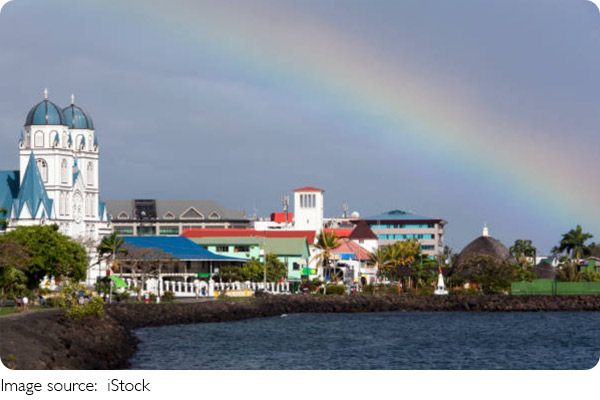
Located on the north coast of Upolu Island, Samoa's capital is a place where volcanic mountains meet the ocean, traditional villages sit beside modern streets, and daily life follows a slower island rhythm.
For Lykkers, Apia is best understood as a base for exploring Upolu rather than a destination to rush through in a few hours.
A well-planned Apia trip usually needs 4 to 5 days. This gives enough time to explore the capital, swim in natural pools, visit waterfalls, experience Samoan culture, and avoid spending the entire holiday on long road transfers.
Apia
Use Apia as Your Upolu Base
Apia is the most practical place to stay in Samoa because it has the island's largest selection of hotels, restaurants, banks, supermarkets, and transport services. However, the city itself is only part of the experience. The strongest reason to visit Apia is how easily it connects you with the rest of Upolu.
Choose the right location to stay
Apia is compact, but accommodation location affects your daily schedule.
For first-time visitors, these areas work best:
• Central Apia: Best for travelers without a rental car. You can walk to markets, restaurants, museums, and waterfront areas.
• Vaiala and Beach Road areas: Better for ocean views and easier access to coastal drives.
• Outside Apia toward the south coast: Better for travelers who want a quieter stay but have their own transportation.
Typical accommodation prices:
• Simple guesthouses: around USD 50 to 100 per night.
• Comfortable hotels: around USD 120 to 250 per night.
• Higher-end resorts: often USD 300 or more per night.
Staying outside the city may look cheaper, but transport costs can quickly reduce the savings because taxis and private transfers are not always inexpensive.
Pick the right travel season
Samoa has a tropical climate, with warmer temperatures throughout the year.
The best travel period is generally May to October.
Conditions:
• May to October: drier weather, lower humidity, better for road trips and outdoor activities.
• November to April: warmer, wetter, and more humid, with higher chances of tropical storms.
July and August are popular because many travelers from New Zealand and Australia visit during school holidays. Accommodation prices may increase, so booking early is recommended.
For the best balance between weather and value, May, June, September, and October are often the smartest choices.
Build an Apia Exploration Route
The mistake many visitors make is spending too much time in Apia city and missing Upolu's natural landscapes. The capital works best as your starting point for short but memorable day trips.
Spend your first day understanding Apia
A realistic city route:
Morning:
• Visit the Fugalei Market to see local produce, crafts, and everyday Samoan life.
• Walk around central Apia and the waterfront.
Afternoon:
• Visit the Robert Louis Stevenson Museum, located about 5 kilometers from central Apia.
• Explore the surrounding gardens and mountain views.
Evening:
• Try local restaurants or attend a cultural experience if available.
The city is easy to explore, but daytime walking can feel hot. Start earlier and avoid long outdoor walks around midday.
Explore the island with a rental car
A rental car is the most practical choice for seeing Upolu.
Typical rental prices:
• Small car: around USD 40 to 80 per day.
• Larger vehicle: around USD 80 to 120 per day.
Driving around Upolu is manageable, but roads outside Apia can include narrow sections and slower village areas.
Important details:
• Samoa drives on the left side of the road.
• Distances look short on maps, but coastal roads require slower speeds.
• Fuel stations are easier to find near Apia, so fill the tank before longer routes.
A comfortable 5-day itinerary:
Day 1:
Arrive in Apia, settle in, explore the market and waterfront.
Day 2:
Visit natural attractions near the south coast, including To Sua Ocean Trench.
To Sua is one of Samoa's most famous natural swimming locations. Entry is usually around USD 7 per person. The site involves stairs and uneven surfaces, so it requires basic mobility.
Day 3:
Drive through Upolu's coastal roads, stopping at beaches, villages, and viewpoints.
Day 4:
Visit waterfalls and rainforest areas. Papaseea Sliding Rocks near Apia is a popular option, usually requiring a small entrance fee and careful walking.
Day 5:
Enjoy a slower morning before departure.
Understand costs before you go
Samoa is not a luxury-priced destination, but remote island logistics affect costs.
A realistic mid-range budget for two people for five days:
• Accommodation: USD 600 to 1,200.
• Food: USD 250 to 500.
• Rental car: USD 200 to 400.
• Activities and entrance fees: USD 50 to 150.
Total: around USD 1,100 to 2,300 excluding international flights.
Credit cards are accepted at many hotels and larger businesses, but cash is still useful for small shops, markets, and local services.
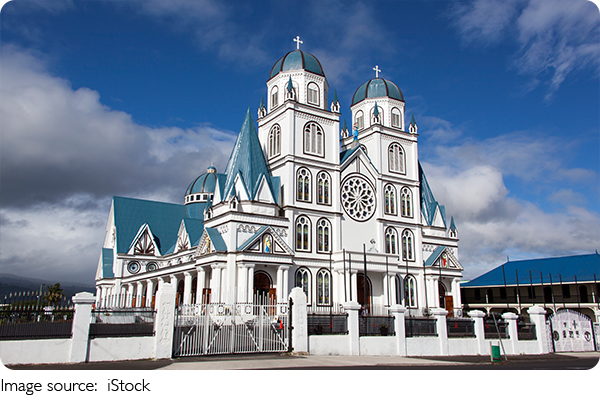
Apia is worth choosing for travelers who want a Pacific destination with real local character rather than a manufactured resort experience. The smartest approach is simple: stay in or near Apia, use the capital as your base, rent a car for exploration, and give Upolu enough time to reveal its waterfalls, volcanic landscapes, and traditional island life. A few well-planned days are enough to understand why Samoa feels different from many other Pacific islands.