Harare City Guide
Naveen Kumar
| 05-08-2026
 · Travel Team
Harare is not a city travelers usually choose for famous landmarks.
Its appeal is quieter: wide streets lined with jacaranda trees, contemporary African art, lively markets, historic neighborhoods, and easy access to some of Zimbabwe's most important cultural and natural experiences.
For Lykkers, Harare is best approached as a gateway city rather than a checklist destination.
A well-planned 3-day stay is enough to understand the capital while leaving time for nearby attractions. The key is choosing the right area to stay, planning transportation in advance, and knowing which places are worth your limited time.
Harare
Start Harare With the Right Expectations
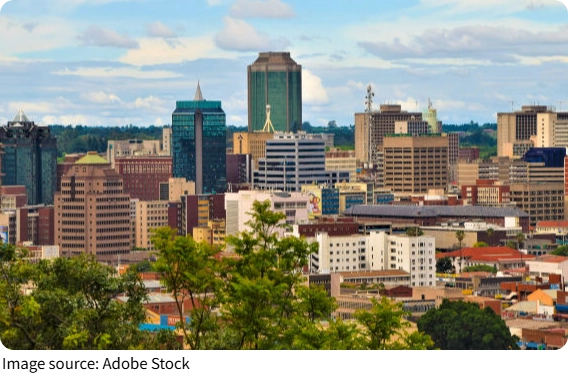
Harare sits at around 1,490 meters above sea level, giving it a mild climate compared with many African capitals. The city is the business, and cultural center of Zimbabwe, with international connections through Robert Gabriel Mugabe International Airport.
Unlike cities built around concentrated historic centers, Harare is spread out. Attractions, restaurants, and neighborhoods are separated by distance, so travelers should not expect to explore everything on foot.
Choose the best time to visit
The most comfortable months are April to October, during Zimbabwe's dry season.
Season comparison:
• April to June: cooler temperatures, green landscapes after the rainy season, and fewer visitors.
• July to September: the driest period, with clear skies and comfortable daytime temperatures. This is also a good period for combining Harare with safari areas.
• October to November: warmer weather before the rainy season begins.
• December to March: rainy season. Afternoon storms are common, and some outdoor plans may become less convenient.
For city exploration, May to September is usually the easiest choice. Morning and evening temperatures can feel cool during winter, so bring a light jacket.
Decide how long Harare deserves
Harare is best as a short cultural stop.
A realistic schedule:
• 2 days: enough for major city highlights.
• 3 days: better for markets, museums, gardens, and a relaxed pace.
• 4 days: suitable if you want a nearby day trip.
A practical arrival plan:
Day 1:
Arrive, settle in, and explore your surrounding neighborhood.
Day 2:
Visit cultural attractions, local markets, and city viewpoints.
Day 3:
Take a nearby day trip or continue toward other Zimbabwe destinations.
Avoid scheduling important activities immediately after a long international flight. Airport transfers and city traffic can take longer than expected.
Explore Harare Through Culture and Local Life
Harare is not about visiting one famous attraction. The city is better understood through its creative spaces, green areas, and everyday rhythm.
Choose places that show the real city
A practical Harare route:
• National Gallery of Zimbabwe: One of the best places to understand Zimbabwean contemporary art and cultural expression. Allow around 1 to 2 hours.
• Mbare Market: One of Harare's most active traditional markets. Visit during daytime and go with awareness of your surroundings. It is more about observing local life than shopping quickly.
• Harare Gardens: A central green space suitable for a slower afternoon walk.
• Chapungu Sculpture Park: Located about 30 kilometers from central Harare, this outdoor space displays Zimbabwean stone sculptures. Allow at least 1 to 2 hours.
For travelers interested in art, Chapungu is especially valuable because Zimbabwe has a strong international reputation for stone sculpture.
Pick your accommodation area carefully
Where you stay affects safety, convenience, and daily transportation.
Recommended areas:
• Borrowdale: One of the more comfortable areas for visitors, with restaurants, shopping, and quieter surroundings.
• Avondale: Convenient for cafes, shops, and a more central location.
• Newlands: A practical residential area with easier access to several city areas.
Typical accommodation prices:
• Budget guesthouses: around USD 40 to 80 per night.
• Mid-range hotels: around USD 90 to 180 per night.
• Higher-end hotels: often USD 200 or more per night.
For first-time visitors, staying in established areas with reliable hotel services is usually a better decision than choosing the cheapest option far from the city center.
Move Around Harare Efficiently
Transportation is one of the most important parts of a Harare trip. The city is large, and distances between attractions are not always obvious.
Choose transportation based on your comfort level
Practical options:
• Hotel-arranged taxi: easiest for visitors who want reliability.
• Ride-hailing services: available in parts of the city and often convenient.
• Private driver: useful for full-day sightseeing.
• Rental car: suitable for experienced drivers familiar with local conditions.
Approximate costs:
• Airport transfer: around USD 20 to 50 depending on provider and distance.
• Short city rides: around USD 5 to 15.
• Private driver for a day: often around USD 50 to 120.
Robert Gabriel Mugabe International Airport is about 15 to 20 kilometers from central Harare. Travel time is usually around 25 to 45 minutes depending on traffic.
Avoid depending on walking between distant attractions. Harare's layout makes driving much more practical.
Consider a nearby day trip
One reason to stay in Harare for three days is the possibility of exploring outside the city.
Popular options:
• Domboshawa Rocks: around 40 kilometers north of Harare. The granite landscape offers open views and a short outdoor experience.
• Lion and Cheetah Park: located about 30 minutes from the city center, suitable for travelers who want a quick wildlife introduction.
Check opening hours and current entrance fees before visiting because they can change.
Know the Costs and Avoid Travel Mistakes
Harare can be affordable, but planning matters.
A realistic mid-range budget:
• Accommodation: USD 90 to 180 per night.
• Food: USD 25 to 60 per day.
• Transportation: USD 15 to 50 per day.
• Activities: USD 10 to 50.
A comfortable 3-day trip often costs around USD 400 to 900 per person excluding flights.
Harare is worth visiting for travelers who want to understand Zimbabwe beyond its famous landscapes. It is a city of art, gardens, markets, and everyday life rather than a destination built around one landmark. With three well-planned days, the right accommodation, and realistic transportation choices, Harare becomes a valuable introduction to Zimbabwe's culture and character.