Smart Riding Modes

Amit Sharma
| 04-02-2026
 · Vehicle Team
Ever felt a sudden hesitation when riding through traffic or winding roads? That split-second uncertainty can turn a confident ride into a stressful one.
Modern motorcycles are no longer just machines—they're smart companions, equipped with riding modes and assistant systems designed to make handling easier, safer, and more intuitive.
Adaptive Riding Modes for Every Situation
Motorcycles today often feature multiple riding modes that adjust engine power, throttle response, and braking behavior to suit different conditions. Switching modes allows riders to match the bike's behavior to the road and traffic.
How it works:
Sport mode enhances throttle responsiveness and sharpens handling, ideal for twisty roads.
Touring mode softens acceleration and smooths out throttle input, reducing fatigue on long rides.
Rain or wet mode moderates power delivery and enhances traction control to prevent slips on slick surfaces.
An actionable example: A commuter switches to rain mode during an unexpected shower. The bike automatically limits wheel spin and adjusts braking sensitivity, preventing a near-slip on a slick patch of asphalt. By selecting the appropriate mode, riders can stay in control without consciously adjusting every input.
Intelligent Traction and Stability Control
Smart motorcycles use traction and stability systems to monitor wheel grip and maintain balance. These assistants detect when a wheel begins to slip and intervene by modulating engine output or applying selective braking.
Tips for effective use:
Keep traction control enabled in unfamiliar or challenging conditions.
Learn how your bike responds by practicing in controlled environments.
Adjust sensitivity settings if your system allows, balancing intervention with personal riding style.
For example, on a loose gravel path, the bike senses rear wheel slip and reduces torque, preventing a sudden skid. Riders feel a gentle correction, allowing them to maintain their intended line without overreacting. Over time, understanding these interventions helps riders anticipate system behavior, enhancing confidence.
Assisted Braking Systems
Emergency braking can be tricky on two wheels. Smart motorcycles are equipped with assisted braking systems that can sense panic stops and distribute braking force optimally between front and rear wheels.
How to integrate:
Familiarize yourself with the feel of ABS-assisted braking in normal riding conditions.
During sudden stops, let the system handle force distribution rather than manually adjusting each brake.
Combine with traction control to maintain stability if the surface is uneven or slippery.
A real-life example: A rider approaching a busy intersection sees a car stop abruptly. By fully applying the brake, the ABS system modulates pressure, preventing wheel lockup while stopping within a safe distance. The rider gains precious meters of control that might have been lost with manual braking alone.
Smart Displays and Ride Feedback
Modern motorcycles often feature digital dashboards that provide real-time data about speed, lean angle, traction status, and upcoming alerts. This instant feedback allows riders to make informed adjustments without distraction.
Actionable steps:
Use the dashboard to monitor your lean angle during curves and adjust body position accordingly.
Pay attention to alerts for traction or braking interventions, which indicate potential hazards.
Set up customizable dashboards that highlight your preferred metrics for each ride type.
For example, on a twisty mountain route, a rider notices traction alerts flashing during sharp curves. The warnings prompt slight throttle modulation and subtle body shifts, keeping the bike balanced and stable. This immediate feedback turns reactive riding into proactive control.
Training with Smart Systems
Riding assistants are not just for emergencies—they can help improve overall riding skills. Analyzing how and when interventions occur allows riders to refine techniques in a safe, structured way.
Practical exercises:
Review ride logs after trips to see where traction or braking assistants engaged.
Practice the same maneuvers in low-traffic environments to understand system thresholds.
Gradually increase riding complexity while observing how assistance interacts with personal input.
One rider analyzed system engagement during a weekend ride and noticed frequent traction interventions on gravel stretches. By practicing throttle control and body positioning in similar areas, their riding smoothness improved even when the assistants were not actively engaged.
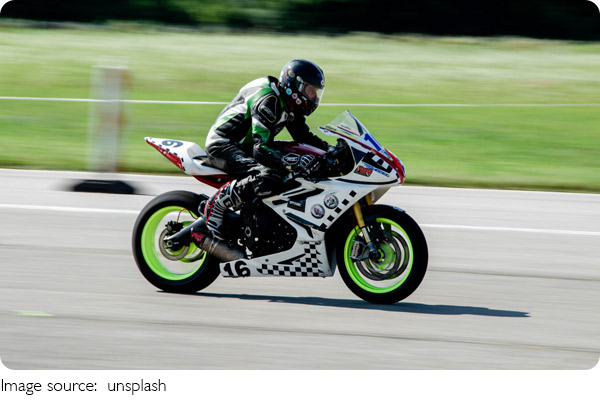
Smart riding modes and assistant systems transform motorcycles into intuitive partners, helping riders handle diverse conditions with confidence. By combining adaptive modes, stability control, assisted braking, and real-time feedback, riders can focus on the joy of the ride while enjoying enhanced safety and precision. The more you understand and practice with these systems, the more natural and responsive your riding becomes.