Light and Shadow in Art

Mukesh Kumar
| 11-12-2025
 · Photography Team
From the earliest cave paintings to the most sophisticated digital art, light and shadow have played crucial roles in the way we perceive and experience art.
These elements are not just tools for realistic depiction—they are powerful forces that can transform an image, evoke emotion, and tell a story without words.
The interplay between light and shadow adds depth, texture, and mood, creating visual complexity that engages the viewer in a deeper way. In this article, we explore the profound impact of light and shadow in art, examining how they have been used historically and continue to influence contemporary artists.
The Historical Significance of Light and Shadow
Light and shadow have been integral to art for centuries, with artists understanding their ability to create realism, drama, and psychological depth.
During the Renaissance, artists developed more advanced techniques for manipulating light and shadow, elevating it from a mere stylistic choice to a method for achieving lifelike representation. The work of masters like Leonardo da Vinci and Caravaggio demonstrated the profound impact light could have on a painting, turning simple scenes into emotionally charged, realistic portrayals of human life.
• Chiaroscuro: The Art of Contrast: One of the most famous techniques that emerged during this time was chiaroscuro, an Italian term meaning "light-dark." This technique uses strong contrasts between light and dark to create a sense of volume and depth. Artists like Caravaggio perfected this method, using stark contrasts to highlight key figures and bring them to life.
The intense use of light in Caravaggio's work, especially in his depictions of spiritual scenes, amplifies the emotional intensity of the subject matter, guiding the viewer's eye to the most important details in the painting.
• The Renaissance and Realism: During the Renaissance, artists like da Vinci utilized light and shadow not just to create depth, but also to enhance the emotional impact of their works. The subtle gradients of light in his "Mona Lisa" bring a sense of life and movement to the painting, while the shading around her face and hands helps create a sense of three-dimensionality.
In this way, light and shadow were used to infuse life into static images, making them seem as though they could step off the canvas.
The Emotional and Psychological Impact of Light and Shadow
Light and shadow are not only technical tools but also emotional instruments. The way light is applied—or withheld—can dramatically alter the mood of a painting, shifting it from calm to dramatic, serene to eerie.
In contemporary art, light and shadow continue to be used for their ability to manipulate perception, guiding the viewer through a visual and emotional journey.
• Creating Atmosphere: Light often establishes the mood of a piece. A softly lit painting may evoke a sense of peace or introspection, while a harsh, high-contrast scene may create tension, conflict, or unease. Artists are highly intentional about how they use light and shadow to establish a particular atmosphere.
In works like Edward Hopper's "Nighthawks," the use of artificial light to illuminate the empty diner creates an atmosphere of loneliness and alienation, evoking a sense of quiet desolation that mirrors the characters' isolation.
• Symbolism and Allegory: Light and shadow are often used symbolically to represent moral or spiritual themes. In spiritual or allegorical art, light is often associated with goodness, truth, or divinity, while shadow represents sin, ignorance, or evil. In works like Rembrandt's "The Return of the Prodigal Son," light is used to highlight the figure of the father, signifying his role as a symbol of forgiveness and compassion.
The shadowed figures around him emphasize the tension between grace and guilt, revealing the moral complexity of the narrative.
Light and Shadow in Modern and Contemporary Art
As art evolved into the 20th and 21st centuries, the role of light and shadow continued to grow more sophisticated, with artists experimenting with new mediums and techniques. From the bold contrasts of early modernism to the digital manipulation of light in contemporary art, these elements remain central to the artist's toolkit.
• Cubism and Abstraction: In movements like Cubism, light and shadow took on a more fragmented and abstract form. Artists like Pablo Picasso and Georges Braque deconstructed objects into geometric shapes, creating multiple viewpoints of a subject at once.
This abstraction of light and shadow was not about creating a realistic representation but instead about breaking down the illusion of three-dimensionality to highlight the flatness of the canvas. The use of light and shadow in cubism added texture and depth, even while rejecting traditional realism.
• Photography and Digital Art: In modern photography, light and shadow are essential tools for capturing mood, texture, and drama. The play of light on a subject can transform a simple moment into something cinematic, and photographers often use shadow to create contrast and highlight key elements in their compositions.
In digital art, light manipulation has reached new heights, with artists using software like Photoshop and 3D rendering tools to create hyper-realistic depictions that rely heavily on the interplay of light and shadow. This allows for even more nuanced control over how depth, dimension, and emotion are conveyed.
The Role of Light and Shadow in Sculpture and Installation Art
While light and shadow are most commonly associated with painting and photography, they also play a crucial role in sculpture and installation art. In three-dimensional works, light is used to reveal form and texture, while shadows can create dramatic effects and enhance the perception of depth.
• Sculpture and Shadow Play: In sculpture, the way light interacts with the surface of the artwork can transform its appearance. Artists like Henry Moore and Constantin Brâncuși used the shadows cast by their sculptures to add a sense of movement and change. The shifting shadows created by the sculptures as the light changes throughout the day add another layer to the work, inviting the viewer to experience the piece from multiple perspectives.
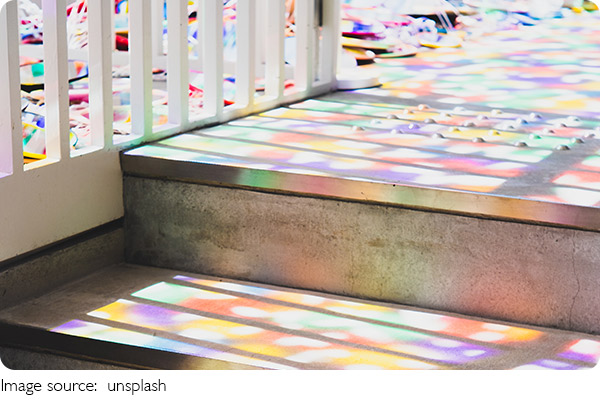
• Installation Art: Contemporary installation artists often use light and shadow as integral parts of the experience. In works like those of James Turrell, light itself becomes a medium, creating immersive environments that alter the way we perceive space and time. By controlling how light and shadow interact in the space, Turrell and other installation artists manipulate our senses, creating transformative experiences for the viewer.
Conclusion: The Enduring Influence of Light and Shadow
Light and shadow are much more than technical tools in the world of art—they are essential components that shape the viewer's experience and deepen the emotional impact of a work.
Whether in the masterful chiaroscuro of the Renaissance or the experimental light play of contemporary installation art, the interaction between light and shadow continues to be one of the most powerful ways that artists communicate meaning. The legacy of light and shadow in art is not just about visual aesthetics—it is about creating an emotional and psychological connection with the viewer.
As long as art continues to evolve, light and shadow will remain at its heart, helping to tell stories, evoke emotions, and reveal the depth of the human experience.