Self-Driving in Logistics

Finnegan Flynn
| 12-12-2025
 · Vehicle Team
Picture this: you're driving late at night on the highway, and in the lane beside you, a massive truck rolls steadily forward—with no one sitting behind the wheel.
For many, this feels like a glimpse of science fiction. But in the logistics industry, it's quickly becoming a serious conversation about the future of efficiency, safety, and cost.
Why Logistics Is a Natural Fit
Logistics has always been about moving goods as quickly, safely, and cheaply as possible. Unlike city driving, long stretches of highways offer a more controlled environment for autonomous vehicles to operate. Trucks don't need to navigate crowded neighborhoods or deal with unpredictable pedestrians as often. That's why the first large-scale rollout of self-driving technology is likely to happen in freight transport.
Cost Savings That Change the Game
For companies running thousands of vehicles, even small savings add up fast. Self-driving trucks could slash costs in three major ways:
Lower labor expenses – Drivers are essential today, but they also account for a big portion of operating costs. Autonomy could reduce dependence on human drivers, especially for long-haul routes.
Fuel efficiency – Autonomous systems are designed to accelerate and brake smoothly, which can save fuel over time. Even a 5% improvement can mean millions in savings for a large fleet.
Reduced downtime – A human driver needs sleep, breaks, and time off. An autonomous truck, on the other hand, can keep going for much longer with only short stops for refueling or maintenance.
Safety and Reliability
Truck accidents are a huge concern, not just financially but also in terms of human lives. Automated systems never get drowsy, never glance at a phone, and never lose focus. Sensors and AI can monitor surroundings in 360 degrees, reacting faster than a human in many situations.
That said, safety isn't guaranteed. Weather conditions, unpredictable drivers, or technical failures still pose risks. The real promise lies in reducing, not eliminating, accidents. For the logistics industry, even a modest reduction in collisions means fewer delays, fewer damaged goods, and fewer lawsuits.
Challenges to Widespread Adoption
As exciting as the technology sounds, it's not a flip-the-switch solution. Logistics firms face several hurdles:
Infrastructure readiness – Highways may need upgrades such as dedicated lanes, better signage, or smart communication systems to fully support autonomous fleets.
Regulatory uncertainty – Laws differ widely between regions, and no global standard exists yet for certifying autonomous trucks.
Public perception – Consumers and communities must feel comfortable sharing the road with driverless trucks. Gaining that trust may take time.
The Role of Human Workers
A common fear is that automation will replace drivers entirely. In reality, the future may be more collaborative. Many experts expect “co-pilot” systems, where trucks handle highway stretches on their own but rely on human oversight for loading zones, city streets, or unexpected conditions.
Beyond driving, the logistics industry still needs people for planning routes, managing warehouses, handling customer service, and maintaining the technology itself. Instead of vanishing, many jobs will shift toward roles that require decision-making and technical skills.
Opportunities for Early Movers
Logistics companies that experiment with autonomous fleets now may gain a competitive edge later. By testing pilot programs, building partnerships with tech firms, and training staff for new roles, they'll be ready to scale when regulations and infrastructure catch up. Smaller companies might find opportunities in niche areas, such as regional delivery routes or specialized cargo that benefits from smoother driving patterns.
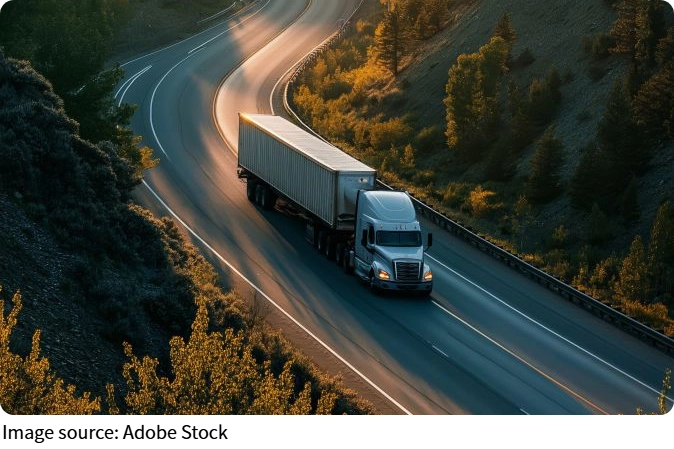
Standing on the edge of this transformation, it's clear that autonomous trucks are more than just a futuristic gadget. They represent a shift in how goods will move across highways, reshaping cost structures, job roles, and safety standards in logistics. The road to adoption won't be without bumps, but for businesses willing to adapt, the destination promises new levels of efficiency and resilience.